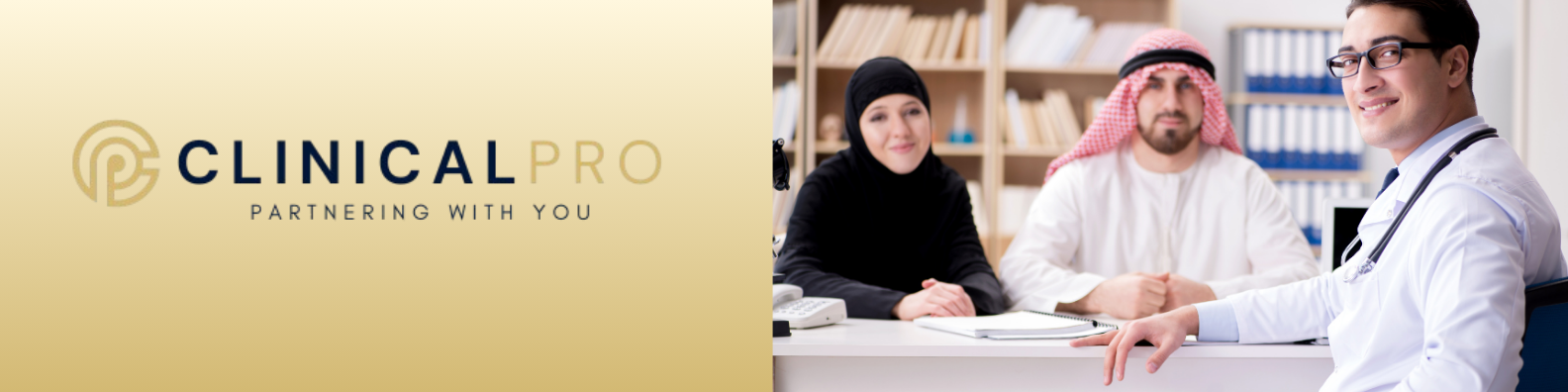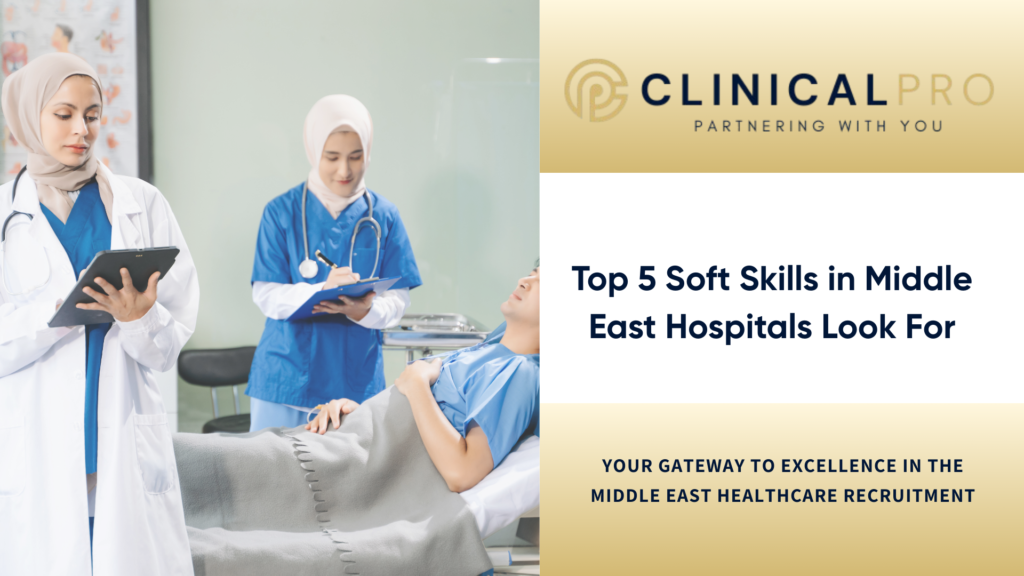
While medical knowledge is essential, hospitals in the Middle East increasingly value soft skills that enable healthcare professionals to succeed in a fast-paced, multicultural, and highly regulated medical environment. Countries and other gulf countries are rooted with hospitality and gestures. To align with their mindset and culture – the healthcare professionals need to adapt a few skills in order to work peacefully.
Here are the top 5 soft skills in Middle East hospitals prioritise:
1. Effective Communication
Middle East hospitals, professionals must communicate clearly with patients from diverse cultural and linguistic backgrounds. Effective communication involves explaining medical procedures in simple terms, documenting patient records accurately, and collaborating efficiently with multidisciplinary teams.
Why it matters: With patients and staff from over 200 nationalities, clear communication ensures patient safety, reduces errors, and strengthens trust within the healthcare system.
2. Teamwork & Collaboration
Healthcare relies heavily on multinational teams, including doctors, nurses, and support staff from different countries and medical training systems. Teamwork involves coordinating care, respecting different professional perspectives, and supporting colleagues in high-pressure situations.
Why it matters: Hospitals in the Middle East value professionals who can integrate seamlessly into diverse medical teams, improving efficiency, patient outcomes, and workplace harmony.
3. Cultural Sensitivity
The Middle East’s population is highly multicultural, and hospitals require staff who understand and respect local customs, religious practices, and cultural norms. Cultural sensitivity includes being mindful of patient preferences, gender considerations, and religious observances when delivering care.
Why it matters: Culturally sensitive healthcare professionals improve patient comfort, compliance, and overall satisfaction while fostering a respectful work environment.
4. Language Skills
While English is the main professional language in healthcare, knowledge of Arabic or other widely spoken languages in the region enhances patient interactions. Multilingual staff can explain procedures clearly, communicate more effectively with families, and navigate local administrative processes.
Why it matters: Language skills help reduce miscommunication, enhance patient trust, and support smoother clinical operations in a multilingual healthcare setting.
5. Flexibility & Adaptability
Healthcare in the Middle East is fast-paced and constantly evolving, with new technologies, protocols, and patient care models. Flexibility involves adapting to changing schedules, emergency situations, and evolving regulatory standards.
Why it matters: Professionals who are adaptable can handle high-pressure situations, embrace new technologies, and deliver consistent, high-quality care in a dynamic healthcare system.
Final Thoughts
In the Middle East, soft skills are just as important as medical training. Hospitals look for professionals who can communicate effectively, collaborate in diverse teams, respect cultural norms, speak multiple languages, and adapt to change. Developing these skills not only improves career prospects but also ensures better patient care and workplace integration in the Middle East’s unique healthcare landscape.